Healthcare Holding Schweiz AG, a leading service provider and distributor of medical devices in Switzerland, is expanding its portfolio with the acquisition of Effectum CH-Rep AG. Healthcare Holding Schweiz is managed by Winterberg Advisory and KKA Partners.
Baar, Switzerland – March 2025 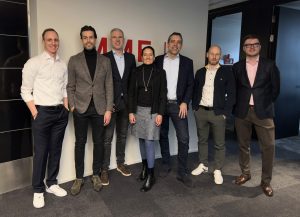
Healthcare Holding Schweiz AG has successfully completed the acquisition of Effectum CH-Rep AG. This transaction marks a carve-out of all services provided as Swiss Authorized Representative (CH-REP) from Effectum Medical AG. Under the Medical Devices Ordinance (MedDO SR 812.213) effective since May 26, 2021, manufacturers of medical devices without a registered office in Switzerland must appoint a CH-REP to distribute their products within the country. Through this acquisition, Healthcare Holding Schweiz AG strengthens its position as a comprehensive partner for medical technology manufacturers worldwide. With its group of companies, it can now provide integrated services that encompass not only import and distribution but also full compliance with regulatory requirements.
Fabio Fagagnini, CEO of Healthcare Holding Schweiz, expressed his enthusiasm for the acquisition: “With Effectum CH-Rep, we are expanding our service portfolio to include the role of Swiss Authorized Representative, thereby strengthening our growing group. This allows our sales representatives and managing directors to focus even more on innovative products and exceptional customer service, with the assurance that all regulatory requirements are being professionally met.”
Kim Züger, Head of Quality Management & Regulatory Affairs and the newly appointed Director of Effectum CH-Rep, emphasized: “Regulatory compliance is our top priority. Through Effectum CH-Rep, we offer this service not only to suppliers of Healthcare Holding Schweiz but also to numerous other manufacturers—a clear testament to our professionalism and high-quality standards.”
Michael Eggimann, Board Member of Effectum Medical AG and responsible for the sale of Effectum CH-Rep AG, added: “We have valued working with Fabio Fagagnini and his team for many years and are confident that Effectum CH-Rep is in excellent hands. This transition allows us to fully concentrate on the further development and distribution of our Legal Manufacturing offering as well as our innovative plug-and-play quality management system, while continuing to collaborate closely with Effectum CH-Rep for the benefit of our customers.”
About Effectum CH-Rep AG
Effectum CH-Rep AG, based in Olten, facilitates access for foreign manufacturers of medical devices to the Swiss market by acting as the Swiss Authorized Representative (CH-REP). As a CH-REP, Effectum CH-Rep AG takes on responsibilities such as ensuring compliance with Swiss registration requirements, collaborating with Swissmedic on preventive and corrective actions, providing a Person Responsible for Regulatory Compliance (PRRC), guaranteeing access to technical documentation, and reporting incidents and complaints.
About Healthcare Holding Schweiz AG
Healthcare Holding Schweiz AG is a Buy, Build & Technologize platform and a leading provider of medical technology products and services in Switzerland. The group is based in Baar and pursues an ambitious growth strategy through acquisitions, often in the context of succession arrangements, partnerships, and organic growth. Healthcare Holding Schweiz and its group companies are committed to the highest standards of innovation and customer satisfaction. The group consistently leverages technology to make business processes safer and more efficient. As a market leader, the company sets new standards for the industry and offers employees attractive development opportunities. All of the management team holds shares in Healthcare Holding Schweiz, thus forming a dynamic community of entrepreneurs.
About KKA Partners
Founded in 2018, KKA Partners is a Berlin-based lower mid-market private equity firm that invests in leading companies in Germany, Austria and Switzerland – the so-called “Mittelstand”. The Founding Partners all have a deep-rooted family and professional heritage in the Mittelstand developed over 20 years in working closely with Mittelstand companies. KKA is at the forefront of the next wave of value creation through Technology Enabled Transformation of the Mittelstand.
About Winterberg Advisory GmbH and Winterberg Group AG
Winterberg Group AG, based in Zug, operates as an independent family office for its founders. Winterberg mainly invests in SMEs in the German-speaking region, and selectively considers investments in startups and real estate. Winterberg Advisory GmbH is a general partner and fund manager regulated by the German BaFin. Winterberg Advisory has launched numerous private equity funds and is invested in Healthcare Holding Schweiz AG through its funds Winterberg Investment VIII and Winterberg Investment IX. The two Partners and Executive Directors, Fabian Kröher and Florian Brickenstein, manage Healthcare Holding Schweiz AG via its board of directors.
For press inquiries, please contact presse@healthcare-holding.ch.
Note for Editors: Please reference Healthcare Holding Schweiz AG for any provided quotes and information.
For more information about Effectum CH-REP AG, visit www.effectum-chrep.com.
For more information about Healthcare Holding Schweiz AG, visit www.healthcare-holding.ch.
For more information about the portfolio companies of Healthcare Holding, visit www.senectovia.ch, www.winthermedical.ch, www.mikrona.ch, www.orthowalker.ch, www.mcm-medsys.ch, www.naropa-reha.ch, www.mvb-medizintechnik.ch, www.dentalaxess.com.
For more information about KKA Partners visit www.kkapartners.com and about Winterberg www.winterberg.group.
This press release is issued and distributed by Winterberg Advisory GmbH on behalf of Healthcare Holding Schweiz AG.
Mikrona Group AG, a leading Swiss manufacturer, service provider, and distributor of orthodontic products and equipment, has acquired Dental Axess AG, a specialist in digital dentistry operating in Switzerland. Mikrona Group is part of Healthcare Holding Schweiz AG, which is managed by Winterberg Advisory and KKA Partners.

Schlieren, Switzerland – March 2025
Mikrona Group AG has successfully completed the acquisition of Dental Axess AG, thereby strengthening its position in the field of digital dentistry. The product portfolio of Dental Axess AG includes state-of-the-art CAD/CAM products, intraoral scanners, 3D printers, X-ray devices, and software solutions. These technologies have significantly driven the digital transformation in dental practices and laboratories and continuously to gain market share.
With the acquisition, the service and distribution business of Dental Axess in Switzerland will be separated from Dental Axess Holding AG. This strategic move allows the Dental Axess Group to concentrate on its core mission of developing seamless digital workflows and proprietary software solutions for the dental industry while maintaining its distribution business outside of Switzerland.
Fabio Fagagnini, CEO of Mikrona Group and Healthcare Holding Schweiz, emphasizes the importance of this step: “We are very proud to announce the successful acquisition of Dental Axess AG. Since 1959, Mikrona Group has been synonymous with the production and distribution of innovative products, and this strategic step strengthens our commitment to digitalization in dentistry. The advanced technologies and solutions of Dental Axess are groundbreaking in the industry. We are confident that this acquisition will allow us to further support doctors and patients in Switzerland and across Europe with the best and most innovative products.”
Daniel Uebersax will continue to serve as Managing Director of Dental Axess AG and has acquired a stake in Healthcare Holding Schweiz as part of the transaction: “I am very excited about this new chapter in our rapid development. Healthcare Holding Schweiz and Mikrona Group provide the ideal environment for our team to continue growing. We can now fully focus on the service and distribution of our products. Personally, I am especially pleased to join a group of entrepreneurs as an entrepreneur myself and benefit from the mutual exchange of experience from various fields of medical technology.”
Per Claesson, CEO and co-founder of Dental Axess, adds: “Mikrona Group was our preferred candidate for our distribution business in Switzerland. We are absolutely confident that this transaction will significantly enhance the success of Dental Axess. This agreement allows us to focus on the continued development and global distribution of our innovative digital workflow solutions. Moreover, we maintain our commitment to providing exceptional support for our customers worldwide. This acquisition marks an important step in strengthening our position in the market and ensuring the long-term success of both companies. We are very pleased to have Dental Axess AG as a strong distribution partner in Switzerland by our side.”
About Dental Axess AG
Dental Axess AG, based in Zurich, is a leading provider of digital solutions in dentistry. The company distributes both the workflow and planning software of Dental Axess Holding AG as well as a comprehensive product portfolio of CAD/CAM products, intraoral scanners, 3D printers, thermoforming machines, cutting and milling machines, and X-ray devices. A steadily growing number of dental technicians, dentists, and specialists in Switzerland rely on the expert advice and service of Dental Axess AG.
About Mikrona Group AG
Mikrona Group AG, based in Schlieren, Switzerland, has been a leading provider of innovative solutions for orthodontists and dentists since 1959. The group unites the brands Mikrona and Ortho Walker, representing Swiss quality, innovation, and reliability. Mikrona is known for its state-of-the-art treatment units, which are regarded as the most innovative and high-quality in orthodontics across Europe. Through the acquisition of Ortho Walker, the group also distributes high-quality orthodontic products from almost all proven brand manufacturers and is by far the market leader in Switzerland. In addition, it has been offering an extensive training and continuing education program for orthodontists for many years.
About Healthcare Holding Schweiz AG
Healthcare Holding Schweiz AG is a “Buy, Build & Technologize” platform and a leading provider of medical technology products and services in Switzerland. The company group is based in Baar and pursues an ambitious growth strategy through acquisitions, often in the context of succession arrangements, partnerships, and organic growth. Healthcare Holding Schweiz and its group companies are committed to the highest standards of innovation and customer satisfaction. The group consistently leverages technology to make business processes safer and more efficient. As a market leader, the company sets new standards for the industry and offers employees attractive development opportunities. The whole management team holds shares in Healthcare Holding Schweiz, thus forming a dynamic community of entrepreneurs. Since 2024, the group has been led by CEO Fabio Fagagnini.
About KKA Partners
Founded in 2018, KKA Partners is a Berlin-based lower mid-market private equity firm that invests in leading companies in Germany, Austria and Switzerland – the so-called “Mittelstand”. The Founding Partners all have a deep-rooted family and professional heritage in the Mittelstand developed over 20 years in working closely with Mittelstand companies. KKA is at the forefront of the next wave of value creation through Technology Enabled Transformation of the Mittelstand.
About Winterberg Advisory GmbH and Winterberg Group AG
Winterberg Group AG, based in Zug, operates as an independent family office for its founders. Winterberg mainly invests in SMEs in the German-speaking region, and selectively considers investments in startups and real estate. Winterberg Advisory GmbH is a general partner and fund manager regulated by the German BaFin. Winterberg Advisory has launched numerous private equity funds and is invested in Healthcare Holding Schweiz AG through its funds Winterberg Investment VIII and Winterberg Investment IX. The two Partners and Executive Directors, Fabian Kröher and Florian Brickenstein, manage Healthcare Holding Schweiz AG via its board of directors.
For press inquiries, please contact presse@healthcare-holding.ch.
Note for Editors: Please reference Healthcare Holding Schweiz AG for any provided quotes and information.
For more information about Dental Axess AG, visit www.dentalaxess.com.
For more information about Healthcare Holding Schweiz AG, visit www.healthcare-holding.ch.
For more information about the portfolio companies of Healthcare Holding, visit www.senectovia.ch, www.winthermedical.ch, www.mikrona.ch, www.orthowalker.ch, www.mcm-medsys.ch, www.naropa-reha.ch, www.mvb-medizintechnik.ch
For more information about KKA Partners visit www.kkapartners.com and about Winterberg Advisory GmbH www.winterberg.group.
This press release is issued and distributed by Winterberg Advisory GmbH on behalf of Healthcare Holding Schweiz AG.
Switzerland’s economy, long synonymous with resilience, is set to defy broader Euro area sluggishness in 2025. Bolstered by stable inflation, a robust services sector, and targeted monetary easing, the country remains a beacon for investors seeking predictable returns. This analysis explores Switzerland’s macroeconomic trajectory, focusing on growth drivers, sectoral dynamics, and strategic opportunities.
Outperformance in Core Indicators

Switzerland’s GDP is forecast to grow by 1.5% in 2025, accelerating to 1.9% in 2026—outpacing the Euro area’s estimated 0.8% growth (OECD; Goldman Sachs). As illustrated in Graph 1, Switzerland has maintained the second-highest quarterly GDP growth rate among the United States, United Kingdom, France, and Germany since Q2 2020—a reflection of its diversified economic base.

Inflation, projected at 1% in 2025 for Switzerland, remains well below the Euro area’s 2% target. In Graph 2, we can see that Switzerland’s Harmonised Index of Consumer Prices has remained significantly lower than that of the European Union since 2021, reinforcing Switzerland’s strong price stability credentials.
The Swiss National Bank (SNB) has cut interest rates by 50 basis points to 0.5% in December 2024, and further cuts can be expected in 2025 (OECD). This move is aimed at not only sustaining investment, but also private consumption, which accounts for over 50% of GDP. With real disposable incomes rising by 1% year-on-year in 2025 (OECD), household spending is poised to underpin growth even as external demand fluctuates.
Switzerland’s 2025 trade outlook reflects a delicate balance between external headwinds and domestic strengths. The strong Swiss franc and subdued demand from Germany—where growth is forecast at just 0.3% in 2025 (Goldman Sachs)—pose risks to export volumes. However, Switzerland’s economic resilience stems from its dominance in high-value sectors. Pharmaceuticals, accounting for over 40% of goods exports (OECD), remain a cornerstone, driven by global giants like Roche and Novartis. The machinery and electronics sector, the second-largest export category, is adapting to weaker German industrial demand by pivoting to automation and robotics—a strategic shift aligned with Switzerland’s reputation for precision engineering (OECD). This dual focus on established strengths and innovation ensures stability even amid global volatility.
Sectoral Dynamics: Healthcare, TIC, and Industrials
Switzerland’s healthcare sector remains a key growth driver, fuelled by an ageing population and advancements in medical technology. Demand for precision diagnostics and innovative equipment is rising, yet recruitment challenges persist: 28% of healthcare roles requiring higher education faced staffing difficulties in 2024 (Swiss Federal Statistical Office). Addressing this gap through reskilling programmes and workforce retention strategies remains critical, as emphasised by the OECD. For instance, initiatives to integrate migrant women into the healthcare workforce—where participation lags at 65% compared to 78% for Swiss-born women—could alleviate shortages (OECD).
Parallel to healthcare, the testing, inspection, and certification (TIC) sector is gaining traction. Rigorous regulatory requirements—spanning medical devices, industrial machinery, and beyond—are amplifying demand for specialised compliance services. This aligns with Switzerland’s global reputation for precision, positioning TIC firms to capitalise on cross-industry opportunities. Companies such as Société Générale de Surveillance (SGS) dominate this niche, leveraging Switzerland’s regulatory frameworks to secure contracts in emerging markets. The OECD estimates TIC services could contribute an additional 0.3% to annual GDP growth by 2026 if digital transformation accelerates.
While the broader industrial sector contends with energy cost pressures and competitive headwinds, niche areas such as precision engineering continue to thrive. These segments, supported by Switzerland’s expertise in high-value manufacturing, are nonetheless seeing weaker performance in traditional industries (OECD). For example, the machinery sector—which contributes 12% to total exports—is actively diversifying into automation and robotics, mitigating risks from slowing German industrial demand.
Challenges: Labour Mismatches and Geopolitical Risks
Despite a low unemployment rate (4.0% in 2025), structural labour shortages in healthcare, engineering, and IT persist. The OECD advocates for policies to boost workforce participation, including reskilling programmes and incentives for delayed retirement. Currently, only 35% of Swiss workers aged 60–64 remain employed, compared to 45% in Sweden (OECD), highlighting untapped potential.
Geopolitically, energy price volatility—linked to geopolitical tensions—poses risks, though Switzerland’s diversified energy mix mitigates exposure (Swiss Federal Statistical Office). Hydropower and nuclear energy supply over 60% of domestic electricity, reducing reliance on imported fossil fuels. However, a prolonged downturn in Germany or China—Switzerland’s second- and third-largest export markets—could dampen demand. Goldman Sachs warns that a 1% contraction in German GDP could shave 0.2% off Swiss growth, underscoring interconnected risks.
Conclusion: Switzerland’s Enduring Investment Appeal
Switzerland’s 2025 outlook cements its status as an investment haven. With inflation anchored, growth outperforming peers, and a services-driven economy, the country balances stability with strategic innovation. Niche sectors such as healthcare and TIC exemplify its ability to leverage specialised expertise into macroeconomic resilience.
Fabian Kroeher, Managing Partner at Winterberg Group, provides insight into Switzerland’s broader macroeconomic positioning:
“Switzerland continues to set itself apart from the broader European economy by maintaining macroeconomic stability amid global uncertainty. A strong currency, low inflation, and sectoral resilience—particularly in healthcare, precision engineering, and financial services—create an attractive environment for long-term investment. The Swiss economic model, underpinned by fiscal discipline and innovation, ensures that it remains a safe haven for capital even as other regions struggle with structural challenges.”
The healthcare sector’s alignment with demographic trends—coupled with TIC’s role in upholding rapidly evolving standards—positions Switzerland to thrive even as global trade faces turbulence. Meanwhile, the industrial sector’s focus on high-value niches ensures continued relevance in competitive markets.
As global uncertainty persists—from trade tensions to geopolitical strife—Switzerland’s blend of prudence and adaptability offers investors a rare combination of safety and growth potential. For those navigating turbulent markets, the Alpine nation remains a strategic stronghold.
Winterberg Group’s Perspective on the Year Ahead
At Winterberg Group, we specialize in small and mid-cap Buy & Build strategies, focusing on high-quality Mittelstand businesses in the DACH region. As we enter 2025, we see a renewed opportunity for sector consolidation, value creation, and operational transformation in key industries.
With capital markets stabilizing, interest rates trending downward, and a strong backlog of portfolio companies seeking exits, the European private equity landscape is poised for accelerated deal activity. However, high valuations, sector convergence, and macroeconomic uncertainties make disciplined investment strategies crucial for sustainable growth.
Among the many sectors seeing consolidation, we see strong potential in:
Healthcare & MedTech:
- Fragmentation in medical distribution & services – Many small and mid-sized healthcare providers operate independently, leading to inefficiencies. Consolidation allows for operational synergies, better bargaining power, and standardization of care.
- Regulatory burden driving M&A – Stricter compliance (e.g., MDR, IVDR) makes it too costly for smaller firms to comply independently, increasing pressure to join larger, well-capitalized platforms.
- Aging population & rising demand for specialized care – The growing need for orthopedic implants, chronic disease management, and home healthcare makes scaling through acquisition attractive.
- Technology integration (AI & digital health) – Companies that adopt AI-assisted diagnostics, robotic surgery, and digital patient management will gain a competitive advantage, making acquisitions a way to speed up innovation adoption.
Testing, Inspection, and Certification (TIC):
- Mission-critical role in industrial supply chains – The demand for certified quality assurance, regulatory compliance, and precision testing is rising across manufacturing, energy, and pharmaceuticals.
- Regulatory tightening & industry standardization – Stricter ISO and EU compliance standards make smaller TIC providers less competitive, increasing pressure to join larger, well-resourced platforms.
- Need for scale to handle digitization – Automated testing, AI-driven inspections, and predictive maintenance require investment in technology, which small TIC firms struggle to afford.
- Private Equity already driving sector roll-ups – TIC has proven resilient and highly cash-generative, making it attractive for Buy & Build strategies in niche testing & certification markets.
Pet Services:
- Strong consumer demand & recession resilience – Pet spending remains non-cyclical, with veterinary care and premium pet products continuing to grow, even in economic downturns.
- Fragmented veterinary clinic landscape – The European veterinary sector is highly fragmented, with independent clinics struggling to compete on cost, technology, and branding. Consolidation enables economies of scale, centralized procurement, and digital customer engagement.
- Growth of pet insurance & wellness services – The rise of subscription-based pet insurance and wellness plans creates opportunities for vertical integration, merging care services with insurance and retail.
- Private Equity interest increasing – Multiple PE firms have entered the veterinary consolidation space, indicating a strong Buy & Build thesis.
Personal & Medical Services:
- Shift from traditional healthcare to self-care & aesthetics – Consumers are spending more on aesthetic treatments (e.g., Botox, laser procedures, and cosmetic dentistry), creating high-margin business models.
- Fragmented market ripe for roll-ups – Most cosmetic clinics, dermatology centers, and aesthetic medical practices are run by independent operators, making them prime acquisition targets for larger platforms.
- Technology driving differentiation – AI-assisted consultations, robotic hair transplants, and digital skin analysis are setting high-tech clinics apart, giving larger groups an advantage.
- Regulatory trends favoring larger players – Tighter licensing, medical oversight, and quality standards make it harder for small providers to operate independently.
AI Applications:
- Move from hype to profitability – The AI sector is shifting from experimental projects to real revenue-generating applications, particularly in robotic surgery, automated quality control, and smart diagnostics.
- Companies need scale to afford AI investments – Smaller firms struggle to fund AI implementation, making them attractive acquisition targets for PE-backed consolidators with capital to deploy.
- Demand for AI-powered efficiency in manufacturing & healthcare – AI is revolutionizing diagnostics, workflow automation, and supply chain management, making acquisition-driven scaling essential.
- Defense & industrial AI applications growing – AI-driven surveillance, drone automation, and cybersecurity are seeing rapid adoption, attracting PE and corporate investors.
Defense & Aerospace:
- Geopolitical instability increasing defense budgets – Rising tensions in Europe and the Middle East are driving governments and defense contractors to invest heavily in drone technology, cybersecurity, and intelligence systems.
- High fragmentation among defense subcontractors – Many specialized technology suppliers (e.g., drone manufacturers, radar developers, and electronic warfare firms) remain small and lack the scale needed for international expansion.
- Cross-border M&A interest from U.S. and EU players – Larger defense contractors are actively acquiring niche military tech firms to enhance their capabilities in AI-driven warfare, unmanned systems, and satellite surveillance.
- R&D investment requirements favor larger platforms – Defense technology requires heavy upfront investment in R&D, favoring larger PE-backed groups that can spread costs across multiple subsidiaries.
Our top-pick (and topic #1) – Healthcare & MedTech: A Prime Buy & Build Sector
- AI-Driven Transformation & Digitalization
AI-powered diagnostics, robotic-assisted surgery, and digital patient management are reshaping the healthcare industry. However, fragmentation remains a challenge, particularly in medical distribution, niche medical devices, and outpatient care.
For Buy & Build investors, acquiring specialized MedTech distributors and service providers presents an opportunity to integrate them into larger, technology-enabled platforms. Winterberg’s experience with Healthcare Holding Schweiz AG illustrates how consolidating fragmented distributors creates economies of scale while leveraging AI and automation to improve operational efficiency.
- Regulatory Complexity as an M&A Driver
With Europe’s evolving medical regulations (e.g., MDR for medical devices, IVDR for diagnostics), compliance has become an expensive burden for smaller players. Many are seeking strategic partnerships or exits, creating strong Buy & Build opportunities in:
Clinical testing & certification – PE-backed platforms can standardize compliance processes, reduce costs, and scale geographically
Outsourced regulatory services – Compliance consulting for MedTech firms is increasingly attractive as a scalable service model
- Aging Population & Chronic Disease Management
The European aging population continues to fuel demand for orthopedic implants, dental care, and home-based medical services. Consolidating mid-sized healthcare providers and niche equipment manufacturers allows for operational synergies and expansion into adjacent markets.
Where Winterberg Sees Opportunity:
- Medical Device Distribution – Rolling up specialized distributors to create regional or category leaders
- Outsourced Clinical Research & Laboratory Services – Standardizing fragmented testing & certification providers
- Regulatory & Compliance Services – Acquiring niche consulting firms to serve the growing regulatory burden
Our second bet (and topic #2) – TIC (Testing, Inspection, and Certification): Consolidation Beyond Mechanical Calibration
The TIC sector is experiencing a structural shift, with industries demanding higher precision, compliance, and automation across various applications.
- Digitalization & AI in Industrial Testing
The TIC industry is transitioning toward automated testing, predictive maintenance, and AI-powered quality control. Many small players struggle to keep up due to high investment costs, presenting consolidation opportunities for PE-backed Buy & Build platforms.
AI-supported defect detection, machine learning-based predictive maintenance, and remote inspection technologies are driving efficiency in sectors such as:
– Aerospace & Defense
– Automotive & High-Precision Manufacturing
– Energy Infrastructure & Renewables
- Expanding Beyond Mechanical Calibration
The market demand for precision testing extends beyond mechanical calibration into material testing, chemical analysis, and environmental compliance.
Key Buy & Build opportunities include:
ISO-certified testing labs – Acquiring and consolidating independent laboratories
Digitalized compliance platforms – Investing in software-based compliance solutions for regulatory tracking
Automation of industrial inspections – Integrating AI and robotics for real-time, non-destructive testing
Where Winterberg Sees Opportunity:
- Industrial Calibration Labs – Rolling up regional providers for scalability
- Digital Inspection Platforms – Leveraging AI to improve compliance & efficiency
- High-Value TIC Segments – Expanding into aerospace, defense, and green energy testing
2025 Outlook: Discipline, Specialization, and Operational Execution Will Define Success
The private equity landscape in 2025 will be shaped by ongoing macroeconomic uncertainty, high interest rates, and geopolitical instability—factors that have turned volatility into a permanent fixture rather than a cyclical phase. In this environment, value creation will increasingly rely on hands-on operational execution rather than financial engineering.
Despite these challenges, the outlook for M&A activity is improving. A narrowing price gap, an expected increase in corporate carve-outs, and a more stable interest rate environment are likely to drive a rebound in deal volume. Surveys indicate that investor sentiment is turning more optimistic, with private equity firms planning a more aggressive approach to acquisitions compared to 2024.
However, simply deploying capital will not be enough. The firms that succeed in 2025 will be those that embrace specialization, execute disciplined Buy & Build strategies, and leverage operational expertise to generate value. Winterberg Group is well-positioned for this shift, focusing on three core principles:
- Targeting high-value, fragmented sectors where consolidation can create market-leading platforms
- Using technology to drive efficiency and scalability in industrial, healthcare, and service-based businesses
- Applying a rigorous, sector-focused Buy & Build approach to transform businesses through operational improvements rather than financial leverage
While capital availability remains constrained and leverage terms remain difficult, firms with a strong operational value-creation playbook will gain a competitive advantage. The private equity industry is moving away from reliance on multiple arbitrage and cheap debt and toward genuine alpha generation through hands-on portfolio management.
For investors who can navigate this complexity, 2025 presents a unique opportunity. The combination of industry fragmentation, technological transformation, and increased corporate divestitures will reward those who take a disciplined, value-driven approach to Buy & Build.
TIC Holding Schweiz AG, a Buy, Build and Technologize platform funded by Winterberg Investment X and managed by Winterberg Advisory GmbH, has acquired Metron Measurement SA based in Quartino, Switzerland.
Baar, Switzerland – January 15, 2025
TIC Holding Schweiz has successfully completed the acquisition of Metron Measurement SA, an SCS-accredited laboratory specialized in calibrating measurement equipment in the field ofLength, Force, Torque, Humidity, Pressure and Electrical quantities. Metron further offers active administration and handling of all the equipment of their customers and can even perform its services onsite.
TIC (Testing, Inspection, and Certification) services have been a focus for private equity groups for decades, particularly in Europe, driven by the sector’s non-cyclical nature and high levels of recurring revenues. Winterberg has explored this sector in Switzerland for more than three years before making its first acquisition and is currently pursuing further live transactions.
Lorenzo Tencati, Board Member at TIC Holding Schweiz and Partner in Winterberg states: “After being in the M&A market in TIC in Switzerland for a long time, we have finally found the nucleus of our new platform. Metron has strong processes, and impressive growth and a highly motivated team to deliver its services at the highest standards, to the utmost satisfaction of its customers. We are also very happy that Alessandro Capone stays with us as CEO of Metron with a significant shareholding in TIC Holding Schweiz. Together with my partner Fabian Kroeher and the Winterberg team we are all up for an exciting journey to build a Swiss market leader in the next 5 to 7 years.”
Alessandro Capone, CEO of Metron Measurement adds: “From the first meeting, we were convinced that Winterberg will be the right partner to take Metron to the next level. We have been growing our services and team every year and really look forward to now be able to strategically invest and grow by acquisition in addition. We are also extremely grateful to our first investor Brütsch Rüegger Tools and especially to its CEO Martin Wirth for their support and trust in us during the last 10 years of activity, since 2015. We want to ensure that our collaboration in the market remains at its current level and that we continue to best meet our customers‘ needs.”
Martin Wirth, CEO of Brütsch Rüegger Tools affirms: “We are pleased to transfer our stake in Metron to an investor poised to further develop the company strategically and to expand the group into new sectors beyond our current scope. We are confident they will successfully drive Metron’s continued growth and build on its strong momentum. Metron is and remains our reliable exclusive partner for testing and calibration services – a long-standing partnership that will continue. We will keep providing our customers with calibration services and process-integrated calibration solutions based on Metron’s comprehensive portfolio of expertise and solutions.”
About TIC Holding Schweiz AG
TIC Holding Schweiz aims at becoming one of Switzerland’s leading customer-centric groups with a strong commitment to quality, excellence and diversity. The holding is actively seeking to acquire small and medium enterprises in accredited Testing, Inspection and Certification Services, preferably in succession situations. By fostering an entrepreneurial culture and benefiting from latest technologies in all corporate functions, it aspires to generate above-market growth and returns. TIC Holding Schweiz is based in Baar, Switzerland and its first group company Metron Measurement SA is located in Quartino, Switzerland.
About Winterberg Advisory GmbH and Winterberg Group AG
Based in Gruenwald, Germany, Winterberg Advisory GmbH manages private equity investment funds, mainly concentrating on small- and mid-cap successions, creating Buy, Build and Technologize platforms such as TIC Holding Schweiz AG and Healthcare Holding Schweiz AG. Winterberg Group AG, located in Zug, Switzerland, is an independent family office that invests in private equity, along with selective ventures in real estate and other asset classes.
For media inquiries, please contact presse@tic-holding.ch
Note to Editors: Please credit Winterberg Group for all references to provided quotes and information.
For further information about TIC Holding Schweiz AG, please visit www.tic-holding.ch
For further information about Metron Measurement SA, please visit www.metron-labo.ch
For further information about Winterberg Advisory GmbH and Winterberg Group AG, please visit www.winterberg.group.Winterberg’s Swiss healthcare platform Healthcare Holding Schweiz AG can be found under www.healthcare-holding.ch
This press release is prepared and distributed by Winterberg Advisory GmbH on behalf of TIC Holding Schweiz AG.
Winterberg Investment X, a fund advised by Winterberg Advisory GmbH, has recently acquired its nucleus asset in Switzerland. The fund will develop a new Swiss Buy, Build and Technologize platform in the area of accredited Testing, Inspection and Certification Services and plans to acquire 3-7 Swiss small and medium enterprises in the next 5 years.
Baar, Switzerland – December 19, 2024
Winterberg, together with funds advised by renowned European small-cap specialist Yana Investment Partners, have established TIC Holding Schweiz AG as a platform to build a leader in the Swiss accredited testing, inspection and certification market. The first nucleus asset has recently been acquired. Details of the first acquisition will be published shortly.
Testing, Inspection, and Certification (TIC) has been a focus for private equity groups for decades, particularly in Europe, driven by the sector’s non-cyclical nature and high levels of recurring revenues. The growing emphasis on quality, safety, and environmental standards have further fueled this trend. The sector’s resilience, even during economic downturns, and the essential nature of its services make it a reliable investment.
Fabian Kroeher, President of the Board of TIC Holding Schweiz and Partner in Winterberg states: “After having launched Healthcare Holding in 2021, we are excited to start our second platform in Switzerland, which we currently view as one of the most attractive markets on the European continent. Its economic stability, innovation, access to talent and thriving SME sector holds many opportunities for small-cap Buy, Build and Technologize strategies. After more than a decade of investing in Switzerland, we have built strong partnerships with industry, banks and advisors. Hence we are very confident that we can successfully execute our strategy.”
Dr. Hanspeter Bader, Founding Partner of Yana Investment Partners and designated Board Member of TIC Holding Schweiz adds: “Having built a relationship with Winterberg over several years, we are very happy to become an anchor investor in their TIC Buy & Build. We are convinced that the sector, in combination with a largely unconsolidated landscape of SMEs in Switzerland, is a tremendous investment opportunity. Testing, inspection and certification play a key role in maintaining safety and environmental standards in industrial and adjacent sectors and are therefore key in building a sustainable and eco-friendly future.”
About TIC Holding Schweiz AG
TIC Holding Schweiz aims at becoming one of Switzerland’s leading customer-centric groups with a strong commitment to quality, excellence and diversity. The holding is actively seeking to acquire small and medium enterprises in accredited Testing, Inspection and Certification Services, preferably in succession situations. By fostering an entrepreneurial culture and benefiting from latest technologies in all corporate functions, it aspires to generate above-market growth and returns. TIC Holding Schweiz is based in Baar, Switzerland.
About Winterberg Advisory GmbH and Winterberg Group AG
Based in Gruenwald, Germany, Winterberg Advisory GmbH manages private equity investment funds, mainly concentrating on small- and mid-cap successions, creating Buy, Build and Technologize platforms such as TIC Holding Schweiz AG and Healthcare Holding Schweiz AG. Winterberg Group AG, located in Zug, Switzerland, is an independent family office that invests in private equity, along with selective ventures in real estate and other asset classes.
About Yana Partners
Yana Investment Partners engages with institutional investors, family offices, and asset managers to invest directly in outstanding privately held companies across Europe. Together with its investors, Yana is an active asset owner in highly attractive, entrepreneurial “off-market” investments in an innovative, organised, and risk-controlled manner. Investments are made by systematically partnering with independent private equity sponsors on a deal-by-deal basis with a focus on small-cap investments.
For media inquiries, please contact presse@tic-holding.ch
Note to Editors: Please credit Winterberg Group for all references to provided quotes and information.
For further information about TIC Holding Schweiz AG, please visit www.tic-holding.ch
For further information about Winterberg Advisory GmbH and Winterberg Group AG, please visit www.winterberg.group. Winterberg’s Swiss healthcare platform Healthcare Holding Schweiz AG can be found under www.healthcare-holding.ch
For further information about Yana Partners, please visit www.yana.partners
This press release is prepared and distributed by Winterberg Advisory GmbH on behalf of TIC Holding Schweiz AG.
The Swiss mergers and acquisitions (M&A) market in 2024 has been marked by sharp contrasts, offering mixed signals for investors. After a strong start with a series of high-profile transactions, the pace slowed dramatically in the third quarter. However, the year-end outlook remains optimistic, thanks to a rebound in activity during the fourth quarter, including some landmark deals.
A Promising Start to 2024
The first quarter of 2024 set the stage for an active M&A market in Switzerland, with four billion-euro deals completed. The largest transaction was Swisscom’s €8 billion acquisition of Vodafone Italia, a strategic move to strengthen its presence in the Italian market.
By the end of the first half, the Swiss M&A market recorded three additional billion-euro transactions, including Novartis’s acquisition of Mariana Oncology for $1 billion, with further earn-outs of $750 million. These deals highlighted the strong appetite for cross-border acquisitions in high-growth sectors such as technology and healthcare.
A Surprising Lull in Q3
Despite the promising start, the third quarter saw a significant drop in M&A activity. Only two transactions during the summer months made it into the top ten deals of the year. This slowdown mirrored a broader European trend, where economic uncertainties and rising geopolitical tensions caused many investors to pause their dealmaking.
The slowdown was further evidenced by a 31% decline in transaction volume during the first nine months of 2024 compared to 2023, as reported by BCG. Total deal values also lagged behind previous years. For context, aggregate M&A transaction values in Switzerland stood at CHF 71.5 billion in 2023, already a drop from CHF 108.6 billion in 2022. To match last year’s total, a flurry of billion-euro deals would need to close before year-end.
A Strong Fourth Quarter Rebound
The fourth quarter began with a major transaction: Partners Group’s sale of Techem Group for €6.7 billion to TPG and Singapore’s sovereign wealth fund GIC. This deal ranked as the second-largest of the year, highlighting the attractiveness of businesses focused on energy efficiency and digital solutions within the building sector.
Strategic acquisitions also dominated the deal landscape, with Swiss firms like Swisscom, Novartis, and Emmi targeting international markets. However, large-scale outbound transactions by Swiss companies remained limited, reflecting a more cautious approach to foreign expansions.
Insights on the Largest Deals
The largest transactions of 2024 reveal key trends:
- Strategic Focus: Most deals involved strategic buyers rather than private equity buyouts, emphasizing long-term value creation.
- Cross-Border Activity: Swiss buyers targeted assets in Italy, France, and the U.S., demonstrating continued interest in international growth.
- Private Equity Exits: While there were no major buyouts, private equity firms successfully exited investments, including Partners Group’s Techem deal.
Fabian Kroeher, Managing Partner at Winterberg Group, noted: “The Swiss M&A market’s dynamics this year reflect a pivot towards strategic, value-driven acquisitions. For private equity players, this creates a great environment for exits, because strategic buyers see more value in companies that fit their core businesses well.”
Winterberg Group’s Contributions to the Swiss M&A Landscape in 2024
Winterberg Group, through its Healthcare Holding Schweiz AG, played a significant role in shaping the Swiss M&A landscape this year. The group executed several strategic acquisitions that expanded its medtech services and distribution portfolio, cementing its position as a leader in the Swiss healthcare sector.
April 2024: Acquisition of MCM Medsys AG
Healthcare Holding Schweiz AG acquired MCM Medsys AG, a Solothurn-based distributor of medical devices and supplies specializing in interventional therapy, surgery, nephrology, and oncology. With a diverse catalog of over 900 products and strong relationships with 20 exclusive suppliers, MCM Medsys AG brought significant depth to Healthcare Holding’s offerings.
“With the acquisition of MCM, we are expanding our product portfolio to include high-class medical devices and establishing a stronger presence in Canton Solothurn,” said Fabian Kroeher. “This strategic move marks a milestone for our group and underscores our commitment to delivering innovative solutions for the Swiss healthcare market.”
July 2024: Acquisition of Naropa Reha AG
In July, Healthcare Holding completed its acquisition of Naropa Reha AG, a company specializing in rehabilitation and care products, including active wheelchairs. This acquisition provided the group with a foothold in the Swiss rehabilitation market and enhanced its ability to serve individuals with disabilities.
“Naropa’s expertise in rehabilitation complements our portfolio perfectly,” Kroeher noted. “This move aligns with our vision to broaden our reach while maintaining high standards of care and service.”
October 2024: Acquisition of MVB Medizintechnik AG
Healthcare Holding added MVB Medizintechnik AG to its portfolio in October, gaining access to specialized expertise in cardiotocography for gynecology and obstetrics, as well as innovative shock wave therapy products. The acquisition bolstered the group’s offerings in women’s health and therapeutic devices.
“The addition of MVB Medizintechnik AG strengthens our market position in women’s health and therapeutic solutions,” said Kroeher. “Their innovative products and expertise will significantly contribute to our growth strategy.”
Looking Ahead for Winterberg Group
Winterberg’s acquisitions in 2024 showcase the group’s strategic acumen and focus on long-term value creation. By targeting niche markets and leveraging synergies across its portfolio, Winterberg is well-positioned to drive sustained growth in the evolving Swiss healthcare landscape.
As the M&A market gains momentum in Q4, Winterberg remains committed to identifying high-potential opportunities that align with its disciplined investment philosophy and strategic goals and aims to still close one or two deals this year.
Healthcare Holding Schweiz AG, a Prominent Swiss Medtech Services and Distribution Group Managed by Winterberg Advisory and KKA Partners, Expands its Portfolio with the Acquisition of MVB Medizintechnik AG based in Frick.
Baar, Switzerland – October 2024
Healthcare Holding Schweiz AG (“Healthcare Holding”) has successfully completed the acquisition of MVB Medizintechnik AG (“MVB”), enhancing its portfolio with specialized expertise in cardiotocography for gynecology and obstetrics, alongside innovative products in shock wave therapy, thereby strengthening its market position in both women’s health and therapeutic devices.
Fabian Kroeher, President of the Board of Healthcare Holding Schweiz and Partner at Winterberg Advisory GmbH, stated, “We are excited to welcome MVB Medizintechnik AG into the Healthcare Holding family. This acquisition not only broadens our product offerings but also enhances our capability to deliver tailored solutions to our customers. The integration of MVB’s specialized knowledge and innovative products will significantly contribute to our growth strategy.”
Both Günter Dreikorn and Henry Brülhart, the previous owners of MVB, will remain with the company to ensure continuity and maintain the high standards of service that MVB’s customers have come to expect.
“I am very pleased that we found a new home for MVB, which will provide us with everything to thrive and even accelerate our growth,” said Günter Dreikorn. “This partnership will allow us to leverage combined strengths and resources, ultimately making us even better to serve our customers at the highest standards.”
With this acquisition, Healthcare Holding Schweiz reinforces its position as the market leader in Medtech services and distribution in Switzerland. Already managing a diverse portfolio, the company continues to showcase its strategic expertise and commitment to excellence, driving sustained growth and innovation in the Swiss healthcare sector.
About MVB Medizintechnik AG
MVB Medizintechnik AG, based in Frick, Switzerland, is a specialized distributor in the fields of cardiotocography (CTG) for gynecology and obstetrics, and shock wave therapy, offering a range of CTG products and other gynecological devices, as well as advanced shock wave devices and other innovative products for women’s health.
About Healthcare Holding Schweiz AG
As a leading player in the Swiss Medtech services and distribution sector, Healthcare Holding Schweiz AG based in Baar, Switzerland is focused on growing its portfolio through strategic acquisitions and partnerships. It is committed to innovation and customer satisfaction, aspiring to redefine industry standards with state-of-the-art solutions and exceptional service. To date, the group has acquired Senectovia Medizinaltechnik AG based in Urdorf, Winther Medical AG based in Baar, Mikrona Group AG based in Schlieren with its business units Mikrona and Ortho Walker, MCM Medsys AG based in Solothurn, and Naropa Reha AG based in Staad, St. Gallen.
About Winterberg Advisory GmbH and Winterberg Group AG
Based in Gruenwald, Germany, Winterberg Advisory GmbH manages Private Equity investment funds, mainly concentrating on Small and Midcap Buy and Build platforms such as Healthcare Holding Schweiz AG. Winterberg Group AG, located in Zug, Switzerland, is an independent family office that invests in Small and Midcap Private Equity, along with selective ventures in real estate and other asset classes.
For media inquiries, please contact presse@healthcare-holding.ch.
Note to Editors: Please credit Winterberg Group for all references to provided quotes and information.
For further information about MVB Medizintechnik AG visit www.mvb-med.ch.
For further information Healthcare Holding Schweiz AG, please visit www.healthcare-holding.ch.
For Healthcare Holding’s portfolio companies visit www.senectovia.ch, www.winthermedical.ch, www.mikrona.ch, www.orthowalker.ch, www.mcm-medsys.ch and www.naropa-reha.ch
For more information about KKA Partners visit www.kkapartners.com and about Winterberg www.winterberg.group.
This press release is prepared and distributed by Winterberg Advisory GmbH on behalf of Healthcare Holding Schweiz AG.
Switzerland’s MedTech industry has long been a cornerstone of healthcare innovation, generating 24 billion Swiss francs in 2023 and employing over 70,000 people. Swiss distributors of medical devices are key players in this ecosystem, ensuring hospitals and clinics have access to cutting-edge medical products. However, the introduction of the EU Medical Device Regulation (MDR) in 2021, coupled with the discontinuation of Switzerland’s Mutual Recognition Agreement (MRA) with the European Union, has significantly complicated the landscape, placing new burdens on Swiss distributors who must now navigate a tougher regulatory environment.
Ensuring Compliance: The Evolving Role of Swiss Distributors Amid Regulatory Challenges
While Swiss distributors don’t certify products themselves, they are responsible for ensuring that the devices they distribute comply with Swiss regulations set by Swissmedic. Since Switzerland is no longer part of the Mutual Recognition Agreement (MRA) with the EU, manufacturers of MDR-certified products must appoint a Swiss Authorized Representative (CH-REP) to register their products with Swissmedic before selling them in Switzerland. This regulatory step adds complexity, as distributors must coordinate with both manufacturers and CH-REPs to confirm product registration and approval for the Swiss market. According to Fabian Kroeher, Managing Partner at Winterberg Group, this process often results in significant administrative burdens, particularly when manufacturers lack complete data on their portfolio’s registration status in Switzerland. This further complicates the distributor’s role in maintaining compliance and ensuring product availability without unnecessary delays.
Ensuring Product Availability: Navigating Delays, Re-certifications and Limited Innovation Access
The introduction of the EU Medical Device Regulation (MDR) has had a significant impact on the portfolios of medical device distributors. Under the MDR, stricter requirements for product certification, post-market surveillance and clinical evaluation have significantly increased the complexity and cost of bringing new medical devices to market. In addition to these challenges, existing products that were previously certified under older regulations must also undergo re-certification to remain available. This dual burden of re-certifying existing products while meeting requirements for new innovations has caused significant delays in product availability. As a result, distributors may face shortages in certain devices or be forced to discontinue offering products that manufacturers opt not to re-certify due to the high costs and regulatory hurdles imposed by the MDR.
The time and cost of MDR compliance have led many manufacturers to prioritize high-margin devices, often at the expense of smaller or niche products. This reduction in product variety limits distributors’ access to the full range of devices they previously offered. As a result, they must navigate a more limited and potentially more expensive selection, making it harder to maintain a competitive and comprehensive portfolio that meets healthcare providers’ diverse needs.
Increased time and costs of MDR compliance have led many manufacturers to prioritize launching innovations in markets with faster regulatory approvals. As a result, new technologies often launch in the U.S. before reaching the EU and Switzerland, delaying distributors’ ability to provide cutting-edge products to healthcare clients.
A Call for Swiss Regulatory Reform: Implementing Motion 20.3211
In response to the growing regulatory challenges, many industry stakeholders are advocating for the Swiss Federal Council to adopt the framework established by Motion 20.3211, which was passed by the Swiss Parliament. The motion calls for Switzerland to recognize FDA-certified medical devices, allowing such products to be approved for the Swiss market. This measure could alleviate regulatory bottlenecks, reducing the time and cost for Swiss distributors to ensure compliance with new and re-certified products. According to Fabio Fagagnini, CEO of Healthcare Holding Schweiz AG, recognizing FDA-approved medical devices “would be a game changer for the industry”. He emphasizes that this reform would drastically reduce delays and allow Swiss healthcare providers faster access to cutting-edge technologies. With the current MDR framework and the loss of the MRA with the EU, product availability has lagged behind as manufacturers understandably prioritize larger markets. Fagagnini argues that by adopting Motion 20.3211, “Switzerland could maintain its competitive edge in the MedTech space, ensuring we’re not left behind in terms of innovation and quality care”. The reform would simplify supply chains, mitigate shortages and help distributors deliver better outcomes for Swiss patients.
Navigating Regulatory Challenges: Proactive Strategies for Swiss Distributors in the MedTech Industry
To navigate the increasingly complex regulatory landscape and maintain competitiveness, Swiss distributors must adopt proactive strategies to adapt and thrive:
- Build Regulatory Expertise and Offer CH-REP Services
Given the growing importance of regulatory compliance, Swiss distributors can invest in developing in-house regulatory expertise. By offering Swiss Authorized Representative (CH-REP) services to manufacturers, distributors can position themselves as key partners in helping foreign companies bring their products to the Swiss market. This not only adds value to the distributor’s portfolio but also strengthens relationships with manufacturers by streamlining the compliance process.
- Scout for FDA-Approved Products Early
With the potential adoption of Motion 20.3211, which would recognize FDA approvals in Switzerland, Swiss distributors should begin scouting for innovative FDA-approved products in advance. Establishing early contact with manufacturers will allow distributors to be at the forefront when these products become available in Switzerland, ensuring a competitive edge and faster access to cutting-edge technologies.
- Enhance Product Portfolio Management Tools
Investing in advanced portfolio management tools that track regulatory status and registration of devices across markets can help distributors stay ahead of compliance issues. These tools allow distributors to monitor which products are certified or registered for the Swiss market, ensuring more efficient portfolio management and avoiding potential gaps in product availability.
By adopting these strategies, Swiss distributors can stay agile, enhance their services and navigate the evolving regulatory landscape, ensuring Swiss healthcare providers have timely access to diverse, high-quality medical devices.
At Winterberg Group AG, we understand the importance of robust infrastructure and systems for driving growth within our portfolio companies. As a private equity player focused on Buy & Build platforms, we continuously seek to enhance operational efficiency across our investments. One such platform is Healthcare Holding Schweiz AG, a medical equipment distribution group that is part of Winterberg’s growing portfolio.
Recognizing the transformative potential of Salesforce, we implemented it across Healthcare Holding’s entities to strengthen customer relationships, streamline operations and drive scalability. In this article, we share the key challenges we encountered during the critical kick-off phase of Salesforce implementation and how other SMEs can avoid similar pitfalls.
“The Salesforce implementation has been a game-changer for Healthcare Holding Schweiz AG. It has enabled us to unify our operations and improve customer engagement across all entities. By adopting a phased approach, we were able to address the unique challenges of each business unit without disrupting our day-to-day activities.” – Fabio Fagagnini, CEO of Healthcare Holding Schweiz AG.
Challenge 1: Selecting the Right Tool
The first and most significant decision is selecting the right CRM tool. While Salesforce is a leader in the market, we needed to ensure that it was the best fit for Healthcare Holding’s specific needs.
- Understand Business Requirements: Each entity within Healthcare Holding had distinct requirements. We carried out a thorough assessment of each entity’s needs to ensure Salesforce would meet these diverse demands.
- Balancing Cost and Functionality: As Salesforce can be an expensive solution, we carefully weighed the costs of licensing and implementation against the projected benefits. In particular, we focused on maximizing cost efficiency while ensuring scalability.
- Alignment with Long-Term Goals: Salesforce needed to support the long-term growth of Healthcare Holding. We ensured that it could scale alongside the company’s expansion, making it a future-proof solution.
Challenge 2: Choosing the Right Implementation Partner
Finding the right Salesforce implementation partner was critical for ensuring a smooth process.
- Get Recommendations: Given the size of the market, we leveraged our network to find recommendations for partners that had experience in the healthcare and SME space.
- Experience with SMEs: We prioritized selecting a partner experienced in working with SMEs. They needed to be pragmatic, choosing functionality that fit our budget and operational needs. Several partners suggested costly enterprise-level solutions that were unnecessary for our purposes.
Challenge 3: Conduct a Successful Project Kick-off
The kick-off phase of the Salesforce implementation required careful planning to ensure smooth execution across Healthcare Holding’s entities.
- Define Roles and Responsibilities: We defined clear roles for both our internal team and the implementation partner, avoiding any ambiguity about who was responsible for key tasks.
- Create a Clear Roadmap: We developed a detailed roadmap with deadlines and ensured that everyone involved, from Sales to Customer Support, was aware of their responsibilities and timelines.
- Resource Allocation and Team Setup: We formed a dedicated project team early on, ensuring that all relevant stakeholders, including IT, Sales, and Service, were engaged from the start.
Challenge 4: Handling Multiple ERP Systems
Integrating Salesforce with Healthcare Holding’s existing ERP systems was one of the more complex challenges we faced.
- Assess Existing ERP Systems: We evaluated the current systems landscape to identify any integration challenges, aligning closely with our IT partner to ensure seamless integration.
- Select a Middleware: We selected a middleware layer that could handle the complexities of multiple ERP systems across our different entities, ensuring scalability and efficiency.
Challenge 5: Addressing Insecurity and Worries Among the Sales Force
Any major system change can cause concerns among employees, and Salesforce implementation was no exception. The sales force needed to be assured that the new system would support their work.
- Communicate Changes Early: We involved sales reps early in the process, allowing them to contribute to the project and gain confidence in the system’s potential.
- Demonstrate Capabilities of Salesforce: We showcased how Salesforce could increase productivity and enable the team to generate more sales, addressing their concerns.
- Avoid False Promises: Transparency was key. We avoided promising anything that might change during the rollout, ensuring clear and consistent communication.
Other Common Pitfalls in the Kick-Off Phase and How We Avoided Them
Several other potential pitfalls were carefully avoided during the Salesforce kick-off phase.
- Underestimating Complexity: Salesforce implementations are complex, especially when dealing with integrations and data migration. We adopted a phased approach, starting with core functionalities before gradually expanding the system’s scope.
- Inadequate Training and Support: User adoption is key to the success of any CRM. We invested in comprehensive training programs, including hands-on sessions and ongoing support, to ensure high adoption rates among our teams.
Preparing for the Next Phases
As Healthcare Holding continues to grow, we are preparing for the next phases of the Salesforce rollout, applying lessons learned from the kick-off phase to improve efficiency.
- Monitoring and Evaluation: We established a robust monitoring system to track the progress of the Salesforce implementation, ensuring any issues are addressed early.
- Planning for Rollout Across Entities: Each entity within Healthcare Holding has unique needs, so we tailored our approach while maintaining consistency across the organization.
- Consistency and Standardization: By balancing customization with standardization, we ensured that Healthcare Holding maintained a unified system that could support future growth.
“At Winterberg, we believe that leveraging technology to drive efficiency and scalability is critical for the success of our portfolio companies. The Salesforce implementation at Healthcare Holding has enabled us to build a robust foundation for future growth, while also improving customer interactions across all entities. Our phased approach ensured that we could address challenges early on, leading to a smoother, more successful rollout.” – Fabian Kroeher, Managing Partner at Winterberg Group AG.
In conclusion, implementing Salesforce within an SME, particularly in a multi-entity organization like Healthcare Holding Schweiz AG, requires a well-planned and executed kick-off phase. By carefully navigating key challenges such as tool selection, partner choice, and addressing team concerns, SMEs can ensure a successful rollout. As Winterberg Group continues to drive growth across its portfolio, we encourage other SMEs to invest in the critical early stages of their Salesforce journey for long-term success.